PDT LED light therapy
Mode of action
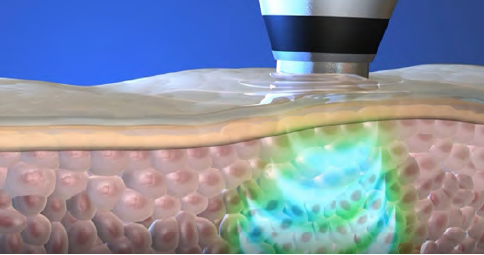
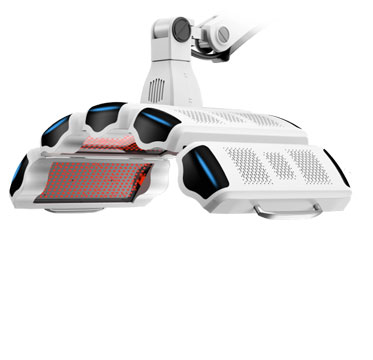
LED light therapy works by triggering various photobiochemical reactions in the skin depending on the color (wavelength), which stimulate cell functions, promote collagen production, combat acne, and support healing processes. Red light stimulates collagen production and skin elasticity, blue light combats bacteria, and near-infrared light promotes healing and reduces inflammation.
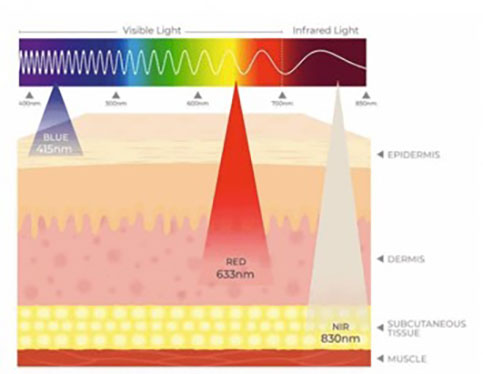
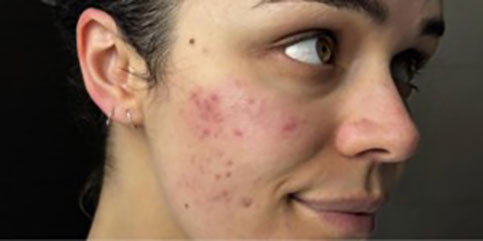
Blue light 415nm (penetration up to 1 mm) to combat skin blemishes destroys the bacteria that cause acne and helps prevent breakouts.Blue light is absorbed by p.acnes bacteria and triggers a natural photochemical reaction that releases singlet oxygen. Singlet oxygen has a powerful antibacterial effect and helps eliminate pimples while being gentle on the skin. It also helps balance oil production and improve skin clarity.When combined with red and near-infrared light, blue light offers improved results for acne and is excellent for post-treatment to minimize breakouts and reduce redness.
Red light 633 nm (penetration 2 to 3 mm) accelerates cell renewal and repair and promotes collagen and elastin synthesis for smoother and firmer skin.
Red light is absorbed in the mitochondria of cells and stimulates the synthesis of adenosine triphosphate (ATP), an essential source of energy for cell functions. Recharging our cells triggers a cascade of positive biological reactions that lead to a range of skin-improving effects. Energized skin cells can function better and regenerate up to 200% faster.
Red light is strongly absorbed by fibroblasts, increasing collagen and elastin synthesis and boosting moisture content. Improved blood circulation leads to increased oxygen supply to the tissue and accelerates repair, while stimulation of the lymphatic system supports detoxification.
Red light provides an immediate improvement in skin tone, hydration, and vitality, while the soothing light simultaneously stimulates cellular processes, resulting in lasting improvements in the appearance and health of the skin.
Near-infrared light 830 nm (penetration 5 to 10 mm) is absorbed into the deepest layers of the skin and works synergistically with red light for optimal rejuvenation results.
Irradiation with near-infrared light at 830 nm increases blood circulation and brings in vital oxygen and nutrients to relieve inflammation, accelerate wound healing, soothe irritation, and reduce redness.
Near-infrared light strengthens the integrity of compromised, environmentally damaged, and sensitive skin. It is also clinically effective in treating hyperpigmentation.
Oxygen

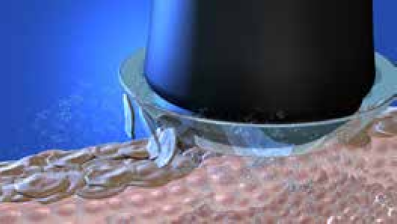
Exfoliation
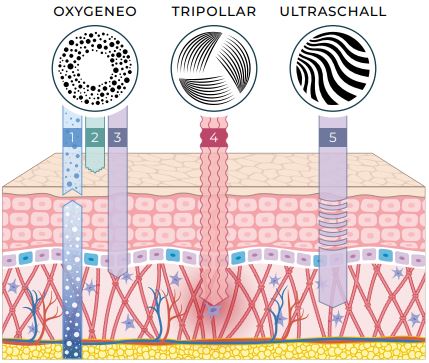
First, the dead skin cells are removed, the skin is smoothed and prepared for nutrient absorption.
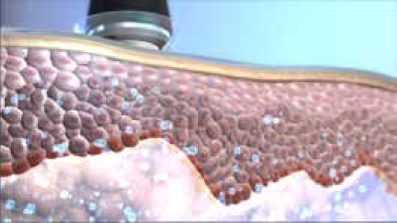
Insertion of active ingredients
The skin is cleansed and supplied with active ingredients:
Neo Revive for rejuvenation and anti-aging or.
Neo Bright for skin brightening and texture improvement.
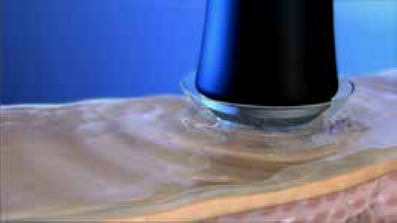
Oxygen-activation
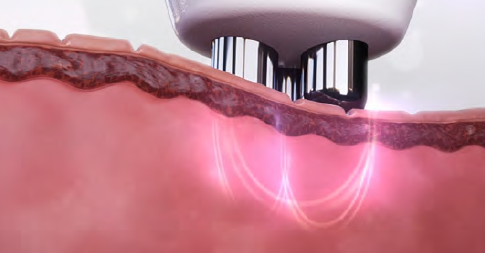
Innumerable small CO2 bubbles stimulate the skin to transport oxygen to the treated areas, allowing perfect nutrient absorption.
TriPollar RF
Ultrasound

- Skin rejuvenation
- Pigmentation / Sun damage
- Acne
- Rosacea
- Sensitive skin
- Psoriasis
- Uneven skin tone
- Musculoskeletal pain
- Follow-up treatment to soothe the skin and accelerate healing after peels, RF microneedling, IPL/laser treatments, cryotherapy, plasma therapy, etc.
- Rehabilitation for unwanted skin reactions after thread lifting, injections, mesotherapy, swelling, hematomas, inflammation
- Support for regeneration in the case of skin injuries (postoperative, post-traumatic, after burns or after device therapies)
- Face
- Neck
- Decolletage
- Eye area
- Jawline & chin
- Back (acne treatment)
- Shoulders
- Back of hands
- Abdomen
- Upper arms
- Thighs
- Knees
- Pregnancy and breastfeeding (lack of studies)
- Epilepsy or seizures triggered by light
- Metabolic disorders such as porphyria
- Autoimmune diseases such as systemic lupus erythematosus (SLE)
- Light-sensitive disorders such as photosensitive eczema
- Active cancer or known unclear skin lesions that have not been clarified
- Current use of photosensitive medications
-
Q. Who is PDT LED light therapy suitable for?A. For women and men with signs of skin aging, acne, rosacea, pigmentation disorders, or sensitive skin. Also ideal for regeneration after aesthetic treatments and laser therapy.
-
Q. How does PDT LED light therapy work?A. The LED light of different wavelengths acts at the cellular level: it stimulates collagen, reduces inflammation, regulates sebum production, and improves skin regeneration.
-
Q. How often is the treatment recommended?A. Depending on the skin problem, usually 5-8 sessions, 1-5 times per week. If necessary, treatment can be carried out twice a week for the first two weeks. Four to ten weeks per year are recommended.
-
How long does a session last?A. About 10-20 minutes, depending on the skin problem.
-
Is the treatment painful?A. No. The therapy is completely painless and comfortable-you will only feel a gentle warmth.
-
Is there any downtime?A. No. Occasionally, slight redness may occur, but this disappears within a few hours.
-
When will I see results?A. Initial improvements in skin texture are usually visible after the first session, with optimal results after 3-5 treatments.
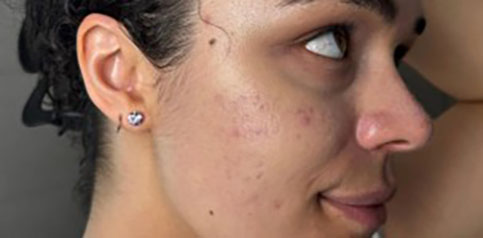
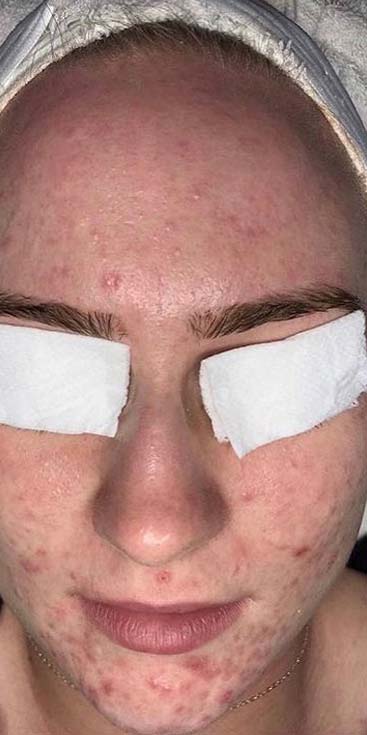
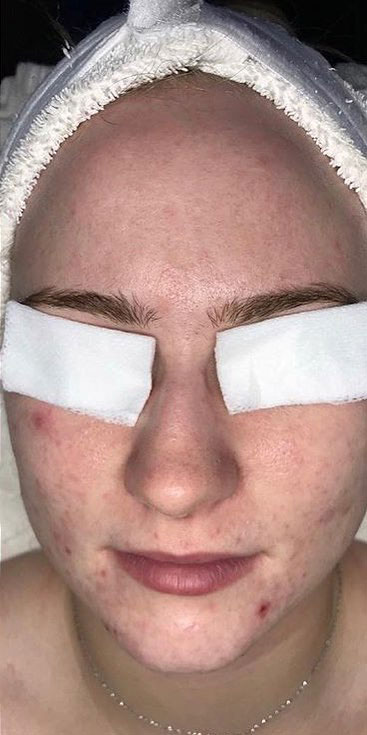
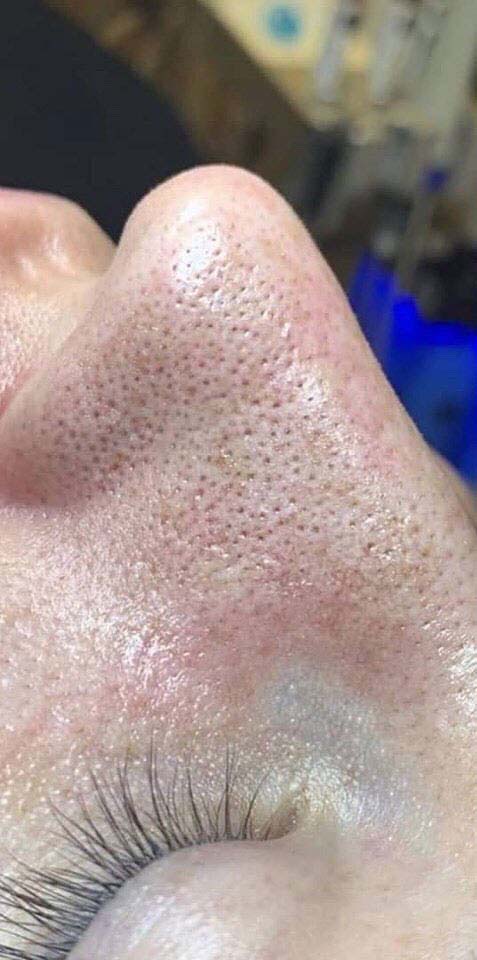
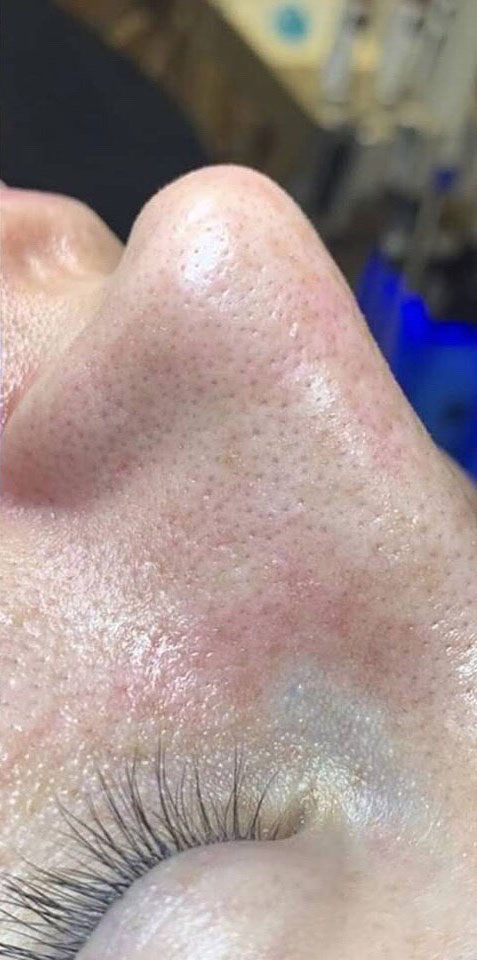
Results

Before

After

Before

After
Before
After
Facts
- High-intensity LED therapy with three light colors (red, blue, infrared)
- Stimulates collagen and cell regeneration at a biological level
- Visibly reduces inflammation, acne, and redness
- Painless, safe, and no downtime
- Suitable for all skin types and all seasons
- Noticeably fresher, smoother skin after just one application